
Ibogaine
Ibogaine Treatment
A comprehensive, evidence-led resource on ibogaine: pharmacology, the research base, cardiac risk, candidacy, preparation and integration.
Consumer Guide
Choosing an ibogaine program is not a luxury-shopping decision. It is a medical decision. This guide explains what to look for, what questions to ask, and which safety standards separate responsible providers from dangerous ones.
Interest in ibogaine has grown rapidly, and so has the number of places offering it. Some are clinically serious. Others are retreats, spas, or underground operations that understate the risks. If you are evaluating an ibogaine treatment center, the right question is not “Who is the best?” but “Who has the medical rigour to make this as safe as evidence allows?”
Ibogaine is not approved as a medicine in the United States, and the human evidence base remains limited and largely observational. What is well established is its pharmacological risk profile: ibogaine blocks the hERG potassium channel, can prolong the QT interval, and has been associated with arrhythmias and fatalities in published case reports and reviews. Any provider that minimises these facts is not a safe provider.
Evaluation Framework
A complete history, physical examination, ECG with QTc measurement, electrolyte panel, liver and renal function tests, and a review of substance use. Screening should determine eligibility, not simply confirm a booking.
Every prescription, over-the-counter medicine and supplement must be evaluated for CYP2D6 and QT interactions. Some drugs require tapering under medical supervision before ibogaine can be considered.
A licensed physician should direct or co-direct medical screening and be available during the administration period. Nursing and support staff should be trained in the specific risks of ibogaine.
Continuous cardiac monitoring, resuscitation medications, defibrillation capability, intravenous access, and a written transfer agreement with the nearest hospital are minimum standards.
The centre should explain what it does, why it does it, what the limits of the evidence are, and what it will not promise. Evasiveness about risk is a red flag.
Consent should be documented, specific, and include cardiac risk, drug interactions, the investigational nature of ibogaine, and the right to withdraw at any stage.
Effective care includes psychological preparation before the experience and structured support afterwards. The acute session is only one part of a longer process.
A clear plan for sleep, nutrition, mental health support, medication management, and follow-up should be in place before discharge.
Screening
Cardiac screening is the non-negotiable first step. A responsible center will obtain a 12-lead ECG and measure the QTc interval before any administration. It will also review personal and family history of syncope, arrhythmia, sudden cardiac death, and congenital long-QT syndrome.
Expect a full electrolyte panel with attention to potassium and magnesium, liver and renal function tests, a complete blood count, and pregnancy testing when relevant. Abnormalities should be corrected before proceeding.
Ibogaine is metabolised in part by CYP2D6 and interacts with many QT-prolonging drugs. Methadone, buprenorphine, certain antidepressants, antipsychotics, cardiac antiarrhythmics, and even some supplements can alter risk. A qualified clinician should decide what must be stopped, tapered, or switched, and over what timeline.
Oversight
The presence of a physician is not a marketing perk; it is a clinical requirement. During the acute phase, continuous cardiac monitoring is standard in medically informed settings. Staff should be trained to recognise and respond to arrhythmias, electrolyte disturbances, and neurological changes.
Ask direct questions: Is a physician on site or immediately available? Is continuous monitoring used? Is resuscitation equipment present? Is there a written transfer protocol with a nearby hospital? If the answers are vague, the program is not safe enough.
Transparency
Informed consent should be specific, documented, and include the investigational status of ibogaine, the cardiac risk, potential drug interactions, the possibility of psychological distress, and the limits of the existing evidence.
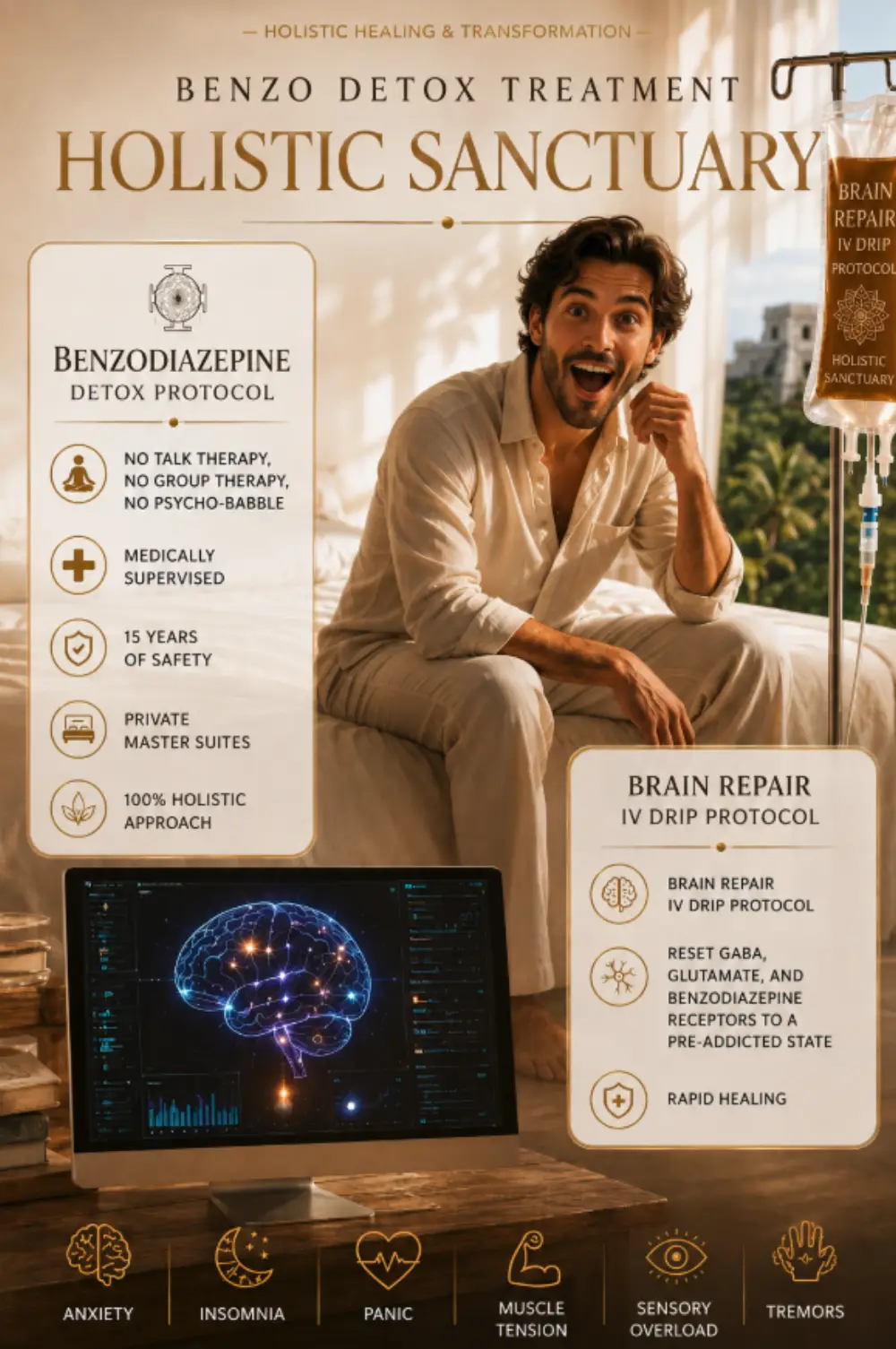
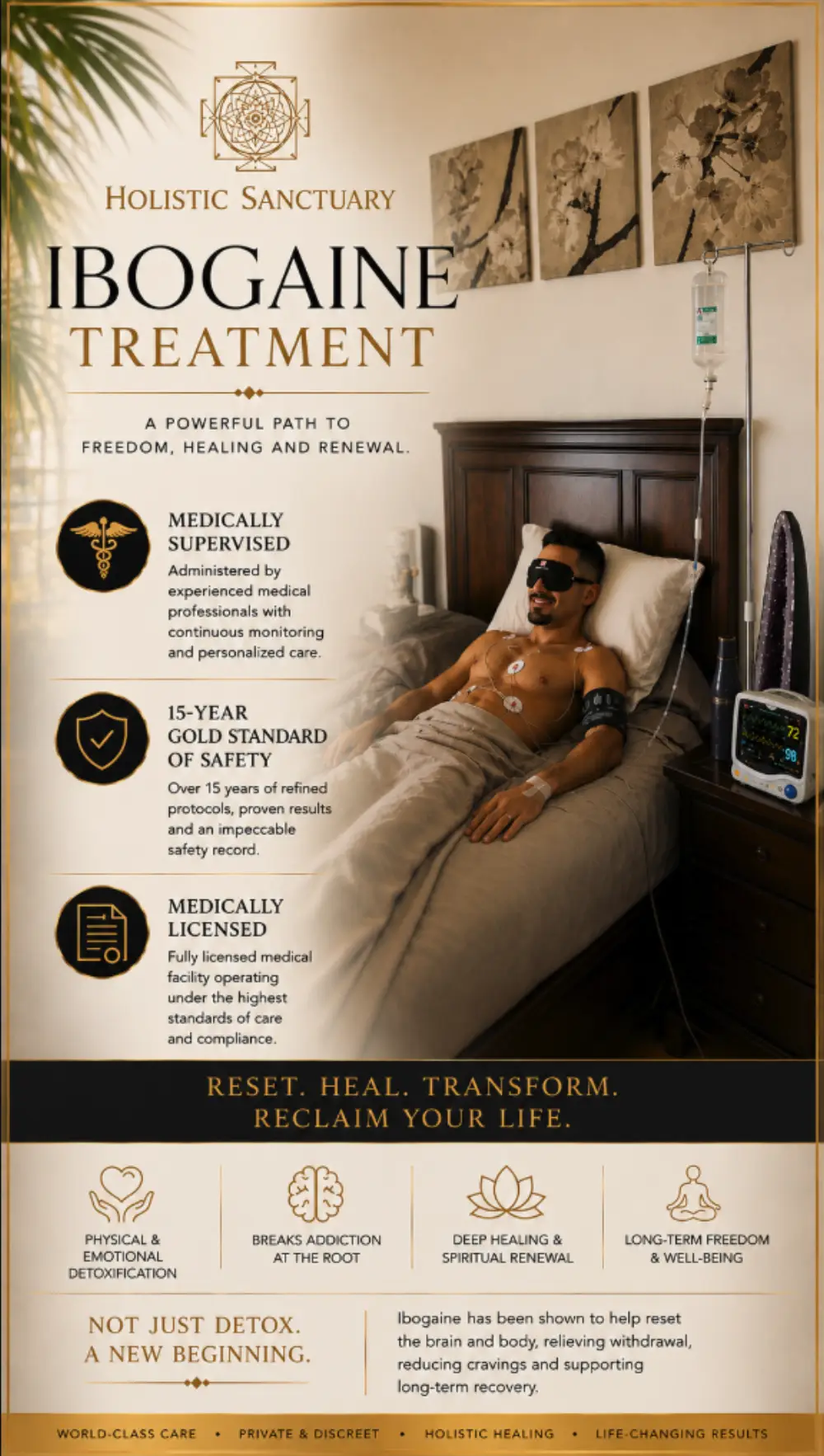
Be cautious of providers who cite dramatic success rates, promise withdrawal elimination, or describe ibogaine as a “reset” for the brain. Those phrases are not supported by controlled research. The strongest position any honest provider can take is that ibogaine may help some people under careful medical supervision, but it is not a guaranteed or risk-free treatment.
Continuity
The ibogaine experience is long, sometimes exhausting, and only one part of a longer process. Preparation includes psychological readiness, realistic expectations, and logistical planning. Integration involves sleep restoration, nutrition, behavioural change, relationship repair, and ongoing mental health support.
A centre without a structured aftercare plan is unlikely to support durable change. Ask how follow-up is handled, what therapeutic resources are available, and how the program coordinates with outside clinicians.
Red Flags
Questions
Sources
Explore
The complete guide to ibogaine research, safety, preparation and integration.
Read moreCardiac, metabolic, psychiatric and interaction risks every candidate should understand.
Read moreWhat medical and psychological preparation looks like before an ibogaine session.
Read moreEditorial overview of psychedelic therapy research, compounds and evidence tiers.
Read moreOur philosophy, environment and approach to individualized holistic healing.
Read moreA companion look at how Holistic Sanctuary approaches provider-level evaluation.
Read moreRelated
Ibogaine
A comprehensive, evidence-led resource on ibogaine: pharmacology, the research base, cardiac risk, candidacy, preparation and integration.
Ibogaine
QT prolongation, arrhythmia risk, CYP2D6 metabolism, drug interactions and electrolytes — what the safety literature establishes and what remains uncertain.
Ibogaine
How ibogaine providers differ in medical model, oversight and aftercare, and which questions separate clinical programs from retreats.
Ibogaine
Medical, psychological and practical preparation: history, medication review, ECG, laboratory assessment, consent and integration planning.
Insights
Benzodiazepine Treatment
Benzo detox and withdrawal treatment: a physician-directed taper, twenty-four hour monitoring, nine hours of daily therapy and the in-house Brain Repair IV protocol.
Benzodiazepine Treatment
Physician-supervised benzodiazepine detox and withdrawal support: gradual tapering, nine hours of daily one-to-one therapy, the in-house Brain Repair IV protocol, and whole-body restoration in a private oceanfront setting.
Mental Health
An integrative approach to PTSD, trauma, depression and anxiety that treats sleep, nutrition, environment and behavior as clinical variables.
Holistic Treatment
Rehabilitation as system repair: mental health, behavior, environment, nutrition and sleep, with specialized medical support where it is needed.
Ibogaine
Why the weeks after an experience matter: reflection, behavior, sleep, nutrition, relationships, meaning and ongoing professional support.
Ibogaine
Medical, psychological and practical preparation: history, medication review, ECG, laboratory assessment, consent and integration planning.
Ibogaine
QT prolongation, arrhythmia risk, CYP2D6 metabolism, drug interactions and electrolytes — what the safety literature establishes and what remains uncertain.
Ibogaine
A comprehensive, evidence-led resource on ibogaine: pharmacology, the research base, cardiac risk, candidacy, preparation and integration.
Admissions is a confidential clinical conversation, not a sales call. We review history, current medication, and goals before anyone is accepted.